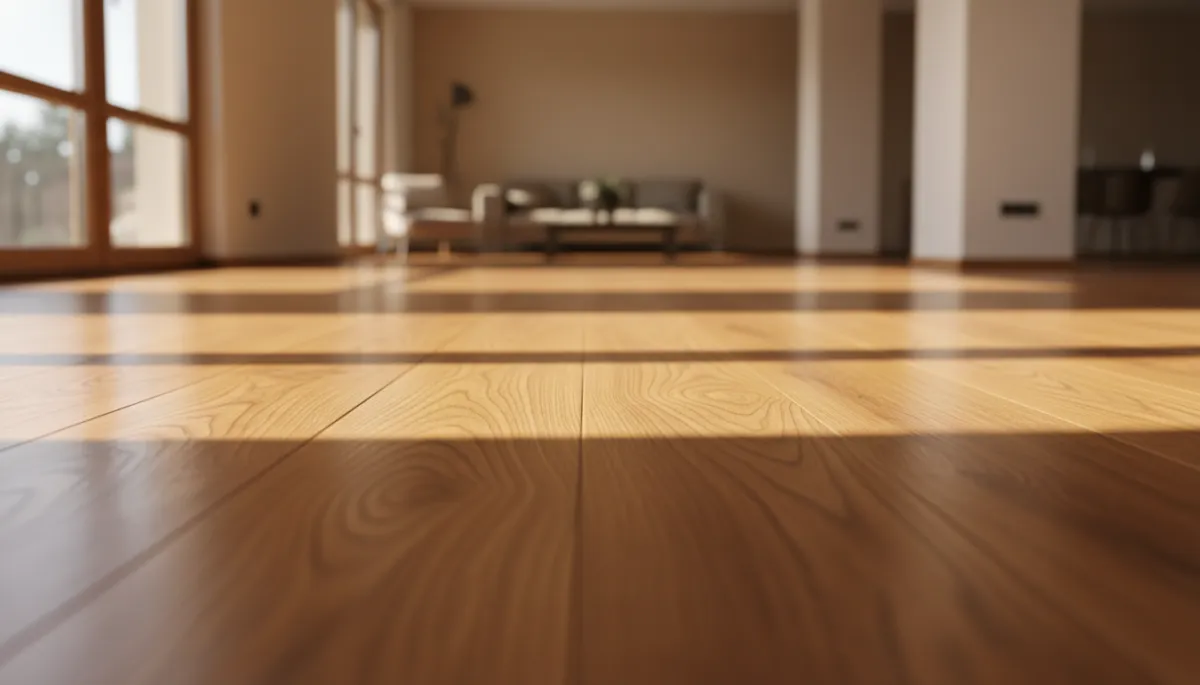
Hardwood Floor Repair Charlotte, NC: What to Expect
Damaged hardwood floors in Charlotte, NC can almost always be repaired — skilled flooring contractors address scratches, gaps, water damage, cupping, and loose boards without tearing out the entire floor. JB Roza Flooring provides hardwood floor repair across Charlotte, NC and the surrounding metro, using professional sanding, patching, board replacement, and refinishing techniques to restore floors to their original condition. The best starting point is a professional on-site assessment, which allows the contractor to identify the exact cause and scope of damage before recommending the most cost-effective repair path.
What Types of Hardwood Floor Damage Can Be Repaired?
Hardwood floors are durable, but they are not immune to daily wear, moisture, and impact. Most types of damage — from minor surface scuffs to water-soaked boards — fall within the range of professional repair, meaning a full floor replacement is rarely the only option. Understanding the specific damage category helps homeowners have a more productive conversation with their flooring contractor and set realistic expectations for the repair timeline and cost. If you are weighing hardwood against alternative materials, it is worth noting that LVP flooring installation in Charlotte offers a different damage profile and maintenance requirement than solid or engineered hardwood.
Surface Scratches and Scuffs
Light scratches that affect only the finish coat are the most straightforward repair category. A professional can screen the damaged area, apply a new finish layer, and blend it with the surrounding floor without sanding the entire surface. Deeper scratches that cut into the wood fiber require localized sanding, color-matched stain, and spot refinishing. In most cases, surface-level scratch repair is completed in one to two days with minimal disruption to the household.
Gaps Between Boards
Gaps between hardwood planks are common in Charlotte homes, particularly in older installations where the wood has dried and contracted over multiple seasons. Small gaps are typically filled with color-matched wood filler or flexible putty, while larger gaps may require the boards to be re-nailed or individual planks replaced. A contractor will assess whether the gaps result from normal wood movement or a subfloor moisture problem that needs to be resolved first. Addressing the underlying cause before filling gaps prevents the problem from recurring the following heating season.
Water Damage and Cupping
Water damage is among the most common hardwood floor problems in Charlotte homes, particularly following appliance leaks, plumbing failures, or flooding. When moisture penetrates the wood, boards absorb water unevenly — the bottom swells faster than the top, causing the edges to rise and the center to dip, a condition called cupping. If caught early and dried properly, cupped boards can often be sanded flat and refinished rather than replaced. A moisture meter reading taken by a professional will confirm whether the boards have stabilized before any sanding or finishing work begins.
Squeaky or Loose Boards
Squeaky floors are caused by boards rubbing against each other or against fasteners as the wood expands and contracts. Loose boards result from failed fasteners — nails or staples that no longer grip the subfloor — and are common in older homes or high-traffic areas. Repairs typically involve re-nailing or screwing boards from above, or injecting construction adhesive through the subfloor from below when access allows. Squeaks originating at the subfloor level rather than between boards may require additional structural assessment before the hardwood surface is addressed.
Deep Gouges and Missing Sections
Deep gouges from dropped objects, furniture legs, or pet claws that remove significant wood fiber require patching with color-matched wood filler or, in severe cases, individual board replacement. When a plank is cracked through or broken, the affected board is carefully removed and replaced with a matching species, width, and profile, then sanded and finished to blend with the existing floor. Achieving a seamless match is easier when the homeowner can provide information about the original floor species and finish sheen. JB Roza Flooring carries hardwood materials in a range of species and profiles to support this matching process across Charlotte and the surrounding service area.
How Does a Contractor Inspect Hardwood Floor Damage in Charlotte?
A professional hardwood floor inspection involves more than a visual walkthrough. A qualified contractor examines the finish, the wood fiber, the board-to-board fit, and the subfloor condition — all of which influence the repair recommendation. In Charlotte, where summer humidity routinely reaches 70–80% relative humidity, moisture testing is a standard part of any hardwood inspection because elevated moisture levels in the subfloor can cause new damage to develop after repairs are made. Taking the time to complete a proper assessment avoids the common mistake of refinishing a floor that is still holding excess moisture.
What to Expect During a Site Visit
During a site inspection, a flooring professional typically measures ambient humidity and takes moisture readings of both the hardwood surface and the subfloor with a calibrated meter. The contractor walks the entire floor, identifies squeaky sections, probes gaps, and notes any cupping, crowning, or warped boards. Problem areas are flagged and photographed to support the written estimate. The inspection usually takes 30 to 60 minutes for a standard residential space and results in a clear repair recommendation with itemized pricing.
When Repair Is Enough vs. When Replacement Makes More Sense
Repair is sufficient when damage is localized, the subfloor is structurally sound, and the existing hardwood has enough thickness remaining to withstand sanding — typically at least 3/16 of an inch above the tongue. Full replacement becomes the better path when more than 30–40% of the floor area is damaged, when the subfloor has sustained structural compromise, or when the floor has been sanded to the point where no usable wood remains. Most residential hardwood floors, even heavily worn ones, have not reached that threshold and remain good candidates for repair or refinishing.
Key Insight: Water-damaged hardwood floors often cup before they crack — addressing moisture early can reduce total repair costs by 40–60% compared to full board replacement.

How Much Does Hardwood Floor Repair Cost in Charlotte, NC?
Hardwood floor repair costs vary based on the type of damage, the area affected, and the species and profile of the existing floor. The figures below reflect general industry guidance based on national and Southeast US market data — they are not quotes and will vary based on the specifics of each project. For an accurate figure, an in-home estimate is the only reliable method. Charlotte and the broader Southeast US region generally benefit from competitive pricing among flooring contractors, partly due to regional lumber access and a concentration of experienced trade professionals in the metro area.
General Industry Repair Cost Ranges
- Minor scratch repair and spot refinishing: typically $1–$3 per square foot
- Individual board replacement (material and labor): typically $8–$20 per board, depending on species and access
- Water damage remediation, drying, sanding, and refinishing: typically $5–$12 per square foot
- Full-section sanding and refinishing: typically $3–$8 per square foot, depending on floor condition and finish type
To get an accurate figure for your specific project, JB Roza Flooring offers free in-home estimates across Charlotte and the surrounding metro. Call +1 980 267 5853 or book directly at https://api.flowpartner.com.br/widget/bookings/estimates-jbroza. Most estimates are scheduled within 48 hours of the request, and appointments are available Monday through Friday. An in-home visit is the only way to accurately assess floor thickness, species matching, subfloor condition, and moisture levels — all of which affect the final cost.
What Happens During a Hardwood Floor Repair? Step-by-Step
Understanding the repair sequence helps homeowners prepare their home and set realistic expectations for the project duration and disruption level. Most hardwood floor repair projects follow the same general phases, with timing varying based on the scope of work. Contractors who work methodically through these phases — without rushing the drying and curing stages — deliver results that hold up over the long term. For context on the refinishing phase that concludes many repair projects, see JB Roza Flooring's guide on hardwood floor refinishing in Charlotte, NC.
Preparation and Furniture Clearance
Before any repair work begins, the affected area must be cleared of furniture, area rugs, and items that might be damaged by dust or finish fumes. The contractor will protect adjacent surfaces, cover HVAC vents to limit dust spread, and assess subfloor fastening before proceeding. If moisture was involved in the damage, the contractor will confirm that readings are within acceptable range before starting. Rushing past the preparation phase is one of the most common causes of callback repairs and finish adhesion failures.
Sanding, Patching, and Board Replacement
Depending on the repair scope, this phase involves drum or orbital sanding of the damaged area, spot-patching of gouges with color-matched wood filler, or full board extraction and replacement. When replacing boards, the contractor cuts along the board edges with an oscillating tool, removes the old plank in sections, and installs a matching replacement before nailing and gluing it flush with the surrounding floor. Once patches cure and boards are secure, the surface is refined with progressively finer grits to achieve a uniform result ready for staining and finishing.
Staining, Finishing, and Cure Time
After sanding, the floor is vacuumed, tacked, and stained if a color match is needed. Once the stain dries, finish coats — typically two to three applications of oil-based or water-based polyurethane — are applied with buffer passes between coats. Charlotte's warm, humid summers (average July temperatures near 90°F with relative humidity above 70%) can extend finish curing times compared to drier climates, so homeowners should plan for a 24-to-48-hour window after the final coat before resuming normal foot traffic. Furniture should not be moved back onto the floor for at least 72 hours during summer conditions.
How Long Does Hardwood Floor Repair Take in Charlotte, NC?
Project duration depends directly on the type of damage and how much of the floor is affected. Minor cosmetic repairs such as scratch filling and spot refinishing typically take one to two days. Water damage repairs — including drying, moisture testing, sanding, and finishing — typically run three to five days, with the drying phase alone requiring 24 to 48 hours before sanding can begin. Full-section board replacement combined with sanding and refinishing typically takes four to six days from start to finish, and homeowners should add a buffer day during Charlotte's humid summer months when finish curing is slower.
JB Roza Flooring serves Charlotte and the surrounding metro, including Concord, Huntersville, Matthews, Pineville, Mint Hill, and dozens of other communities across Mecklenburg and surrounding counties. Project timelines are consistent across the full service area — there is no additional lead time for homeowners outside Charlotte proper. For a broader look at what flooring work costs in the region, the guide on flooring installation costs in Charlotte, NC covers hardwood, LVP, and laminate pricing in detail.

Frequently Asked Questions About Hardwood Floor Repair in Charlotte, NC
Can you repair hardwood floors without replacing the entire floor?
Yes, in most cases hardwood floors can be repaired without replacing the entire surface. Individual boards can be patched or replaced, scratches can be filled and spot-refinished, and water-damaged sections can be dried, sanded, and recoated without disturbing the rest of the floor. Full replacement is typically only necessary when damage affects a large portion of the floor or when the subfloor itself has been compromised. A professional on-site inspection is the most reliable way to determine which approach is appropriate for your situation.
How do I know if my hardwood floor needs repair or full replacement?
The key factors are the extent of the damage, the remaining wood thickness, and the condition of the subfloor. Floors with localized damage — scratches, gaps, water staining, a few cupped boards — are almost always good candidates for repair or refinishing rather than replacement. Replacement becomes the better option when damage affects more than roughly 30–40% of the floor area, when the boards have been sanded so many times that less than 3/16 of an inch of wood remains above the tongue, or when the subfloor has sustained structural damage. A flooring contractor can assess all three factors during a site visit using a moisture meter and a visual inspection.
Does JB Roza Flooring repair hardwood floors in Concord and Huntersville?
Yes. JB Roza Flooring provides hardwood floor repair throughout the Charlotte metro, including Concord, Huntersville, Matthews, Pineville, Mint Hill, Mooresville, and more than 40 additional communities across Mecklenburg and surrounding counties. Homeowners in these areas can schedule a free in-home estimate with the same appointment availability as Charlotte clients. There is no additional lead time or travel surcharge for communities within the standard service area.
How long does hardwood floor repair take in Charlotte, NC?
Minor repairs such as scratch filling and spot refinishing typically take one to two days. Water damage repairs — including drying, moisture testing, sanding, and finishing — typically run three to five days. Full-section board replacement with sanding and refinishing typically takes four to six days. These timelines can extend by a day or two during Charlotte's hot, humid summers when finish curing is slower, and the contractor will provide a project-specific timeline during the estimate visit.
What causes hardwood floors to warp or cup in Charlotte homes?
Cupping and warping in hardwood floors are almost always caused by excess moisture. In Charlotte homes, common sources include plumbing leaks under or near the floor, high subfloor humidity from a crawl space without adequate vapor barrier, and appliance failures such as dishwasher or refrigerator line leaks. Charlotte's humid subtropical climate — with average relative humidity above 70% in summer — means floors installed without proper moisture barriers or adequate acclimation periods are at higher risk of seasonal cupping. Addressing the moisture source before refinishing is the only way to prevent the problem from returning after repair.
Get Expert Hardwood Floor Repair in Charlotte, NC
JB Roza Flooring provides professional hardwood floor repair throughout Charlotte, NC and the surrounding metro — from surface scratch repair and board replacement to water damage remediation and full-section refinishing. To schedule a free in-home estimate, call +1 980 267 5853 or visit https://lp.jbflooringnc.com. You can also book an estimate appointment directly at https://api.flowpartner.com.br/widget/bookings/estimates-jbroza.
If you are also exploring other flooring options, the guides on laminate flooring installation in Charlotte and LVP flooring installation in Charlotte provide a full comparison of materials, costs, and installation expectations across different product types.


